



Child support is a critical issue that affects many families across the United States, particularly in communities of color. The intersection of welfare and racism plays a significant role in shaping the dynamics of child support systems. This article will explore various aspects of child support, including its implications for single parents, particularly mothers, and the broader societal impacts of welfare policies on minority families.
Statistics reveal that single-parent households, especially those led by Black women, are disproportionately affected by child support regulations. For instance, a report from the U.S. Census Bureau shows that nearly 50% of Black children live in single-parent homes. This reality not only impacts the financial stability of these families but also their social mobility. The stigma associated with welfare and child support can perpetuate cycles of poverty and disadvantage.
Furthermore, the processes surrounding child support enforcement can often seem punitive rather than supportive. Many single parents find themselves in a complex web of legal requirements and financial obligations that can lead to significant stress and hardship. Case studies from various states indicate that families often navigate a system that does not adequately account for the unique challenges they face, especially in low-income communities.
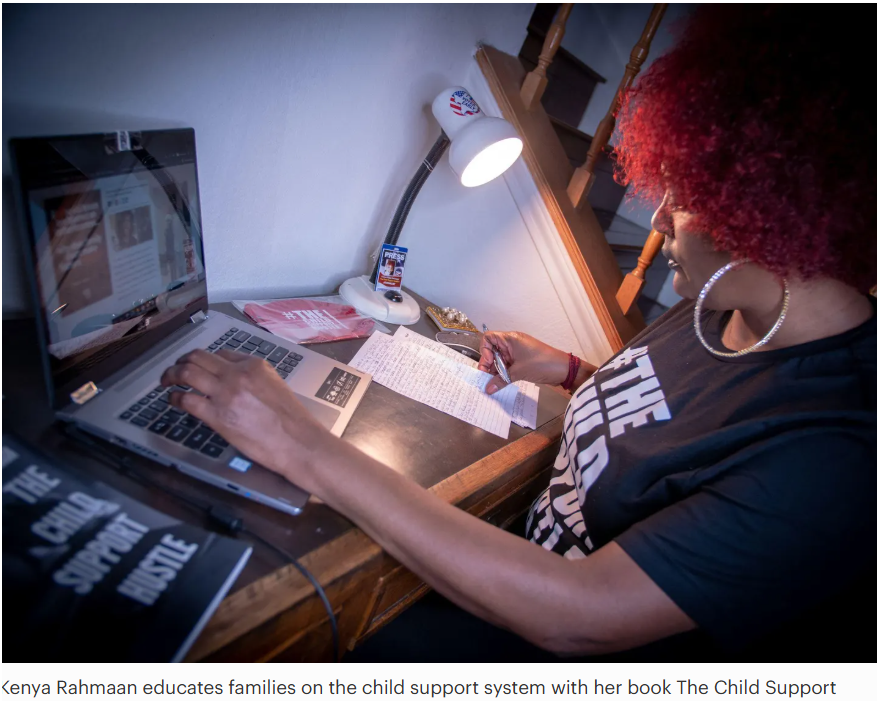
To better understand these dynamics, it’s essential to examine specific projects and case studies that highlight the lived experiences of those affected by these policies. For instance, community organizations like the Child Support Hustle work to raise awareness and advocate for policy changes that would alleviate some of the burdens placed on single parents.
One notable project focused on educating single parents about their rights and available resources. By providing workshops and materials, these initiatives empower families to navigate the child support system more effectively. Additionally, stories from participants reveal how understanding their rights helped them advocate for fair treatment and support.
As we dive deeper into the implications of welfare policies on Black families, it’s crucial to consider the broader context of systemic racism that influences these issues. Historical injustices and ongoing discrimination have created barriers that make it harder for families to achieve economic stability. By addressing these root causes, we can begin to develop more equitable solutions for child support.
Ultimately, child support is not just a financial issue; it is a social justice issue that requires a comprehensive approach. By engaging in conversations about welfare, racism, and family dynamics, we can work toward a more just and inclusive society. This article aims to contribute to that conversation, shedding light on the complexities of child support and the urgent need for reform.
In conclusion, the connection between welfare and racism in child support systems is a multifaceted issue that demands our attention. As we continue to explore these topics, we encourage readers to engage with the resources available and advocate for change in their communities. For more information on how to get involved, visit Buy The Child Support Hustle and check out our detailed Projects & Services.

© 2013-2026 The Reform Child Support NOW! Movement d/b/a Kenya N. Rahmaan. All rights reserved. Unauthorized use or reproduction is prohibited. Built with WooCommerce